Your AI Strategy Has a Human-Shaped Hole in It
- Gail Weiner

- Apr 9
- 3 min read
Every board wants AI features shipped yesterday. Most engineering teams were already at capacity before that mandate landed. The answer isn't more headcount. It's the right headcount.
Here's the scene playing out in engineering departments across the UK and US right now.
The board has decided AI is a strategic priority. The CTO has been given a mandate and a deadline. The existing team, already stretched across technical debt, feature requests, and infrastructure work, is now expected to bolt on an entirely new capability without dropping anything else.
So the instinct kicks in: hire. Scale the team. Get bodies in seats. Open the floodgates to junior developers who can move fast and work cheap.
And this is precisely where things go wrong.
The pressure to ship AI features isn't theoretical. It's board-level, investor-level, competitive-survival-level. The companies that integrate AI into their products well will pull ahead. The ones that do it badly, or slowly, will spend the next three years explaining why they didn't move when it mattered.
But "move fast" and "move well" are not the same instruction.
Ten junior developers writing AI-assisted code can generate enormous volume. What they can't do yet is spot where the AI is confidently wrong. They can't architect systems that will hold under real-world conditions. They can't make the judgment call at 2am when production breaks and the AI-generated logic that looked clean in review turns out to have a subtle flaw that only experience would catch.
Velocity without judgment is just faster failure.
What actually works, and I say this having placed senior development teams into companies for over a decade, is a different model entirely. Two or three senior engineers, embedded directly into your existing team, working within your stack and your workflows. Not outsourced. Not managed separately. Part of the team.
The difference is night and day. I've watched a single senior developer, working with AI, close 76 tickets in a sprint cycle, write over 22,000 lines of production code, and maintain a revert rate under 2%, more than double the team average. That's not a hiring brochure stat. That's what happens when you put someone with genuine depth into a system they understand, with the autonomy to move at pace.
Compare that to the alternative: a wave of junior hires who need onboarding, mentoring, code review, and architectural guardrails, all of which consume the time of your already-stretched senior people. You haven't added capacity. You've redistributed it, and often downward.
But even once you've solved for the right engineering talent, there's a deeper issue most AI strategy conversations miss entirely.
The technology is only half the problem. The other half is human systems.
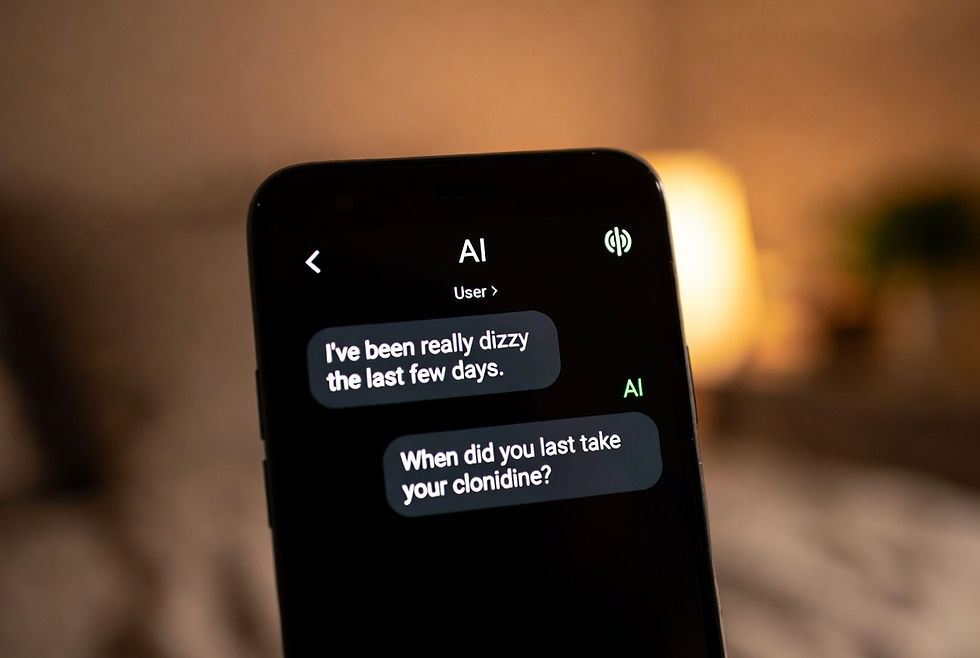
AI adoption fails in companies not because the tools don't work, but because nobody has thought about the human layer. Who manages the AI workflow? Who decides when to trust the output and when to override it? Who builds the internal culture where engineers feel safe saying "the AI got this wrong" rather than shipping it because the deadline is tomorrow?
These questions don't get answered by hiring more developers. They get answered by having the right people in the room, people with enough experience to build judgment into the process, not just speed.
AI adoption isn't a technology problem. It's a human systems problem wearing a technology costume.
So if you're a CTO or founder staring at an AI mandate from your board, here's what I'd offer: resist the urge to scale wide. Scale deep. Bring in senior engineers who can deliver at pace without creating overhead. Build the human systems that make AI adoption actually stick rather than just look good in a quarterly update.
And recognise that the most important hire you make this year might not be permanent, it might be two embedded engineers who ship more in three months than a team of ten would in six.
The companies winning at AI right now aren't the ones with the biggest teams. They're the ones with the sharpest ones.
Gail Weiner is a Trust Architect and founder of Simpatico Studios. She places senior European development teams into UK and US companies and consults on the human layer of AI adoption.


Comments